On a bright day along the Ashley River, a tiny pebble can turn into a headache. You hear that sharp tap, watch a star break across the glass, and instantly start doing the math. Is this a quick touch-up or a full replacement? Does insurance cover it? How long will my vehicle be out of commission? If you drive around Charleston, you already know our roads combine history, humidity, and construction. Auto glass damage is common here, and the difference between a smooth fix and a drawn-out hassle usually comes down to two things: understanding your insurance and choosing the right shop.
I’ve spent years navigating repairs in and around Charleston. I’ve sat with customers as they called carriers, I’ve seen the effect Lowcountry weather has on adhesives, and I’ve watched how advanced driver assistance systems on newer cars raise the stakes. This guide puts it all together, so you can make smart decisions about windshield repair Charleston SC drivers face, plus the fine print that determines what insurance will pay for and what it won’t.
What “Insurance Auto Glass” Usually Means in South Carolina
When people say “insurance auto glass Charleston SC,” they’re usually talking about coverage that falls under comprehensive insurance. Comprehensive covers things like theft, vandalism, falling objects, and road debris that kicks up and chips your windshield or cracks a side window. If you only carry liability, glass damage is almost never covered.
South Carolina is sometimes misunderstood as a zero-deductible glass state. It is not, at least not across the board. Many policies here do include special glass endorsements or offer a full-glass option, but it depends on your carrier and the package you chose. I regularly see three common setups:
- Comprehensive with a general deductible and no special glass endorsement. You pay your deductible for any glass claim. If your deductible is $500 and the windshield costs $350 to replace, you pay the entire bill and insurance pays nothing. This is when windshield repair Charleston SC shops can save you money, because repair is often under $150. Comprehensive with a glass endorsement that sets a lower deductible for glass, sometimes $0 for windshield repair and a small amount for replacement. This tends to be the sweet spot if you drive a lot on I-26 or over the Ravenel Bridge and pick up chips regularly. Full-glass coverage add-on. Insurers handle this differently, but the idea is that chip repair and windshield replacement have no deductible, at least for the front glass. Side and rear glass may or may not be included depending on the policy.
If you’re not sure what you have, don’t guess. A five-minute call to your carrier or a quick look in your declarations page will tell you what your deductible is, whether glass gets special treatment, and whether you can pick your own shop. In South Carolina, you generally have the right to choose your repairer. Some carriers steer you toward a network provider, but you’re not required to use one if you prefer a local expert for auto glass Charleston SC work.
Repair or Replace: The Practical Decision Tree
The first choice after a chip appears is repair versus replacement. Repair makes sense when the damage is small and stable. Replacement becomes necessary when safety is at risk or the crack will spread. A technician will evaluate size, location, and contamination. Here’s how I talk customers through it:
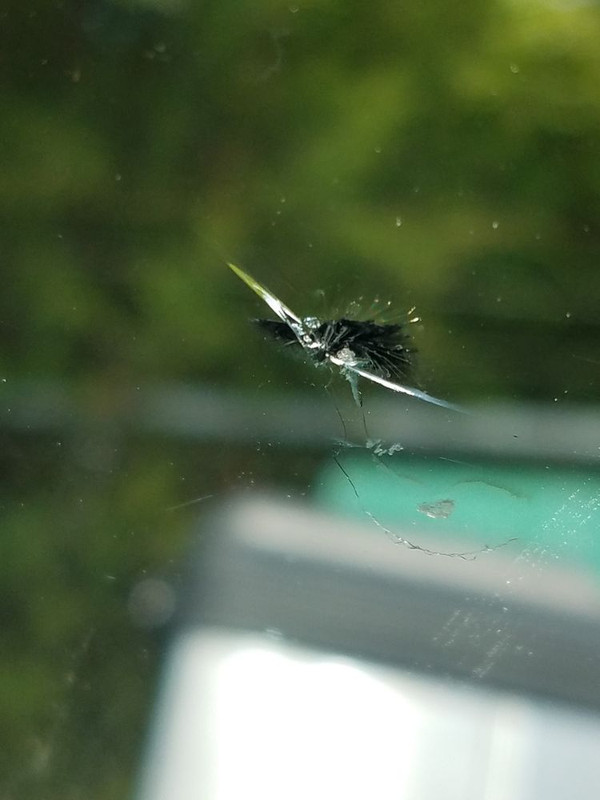
Small chips, typically under the size of a quarter, can often be repaired. If the chip hasn’t collected dirt or water for weeks, and it’s not in the driver’s line of sight, a quick resin injection can stop it from growing and improve visibility. If you call promptly, mobile auto glass Charleston SC techs can usually handle the fix in a driveway or office parking lot in under 30 minutes.
Long cracks, especially longer than 6 to 8 inches, push the limits of repair. Modern resins are impressive, but physics takes over. A windshield is a structural component. It supports the roof in a rollover and works with airbags to protect occupants. I’ve seen seemingly harmless cracks turn into a creeping line that makes the glass flex. When that happens, replacement is the responsible move.
Edge damage is another red flag. Chips near the perimeter of the windshield compromise bonding. Even if they look small, they carry more risk of spreading. If a chip sits in the driver’s primary viewing area, many shops will recommend replacement anyway, because even a successful repair can leave minor visual distortion.
When the answer is replacement, make sure you’re getting the right glass. Vehicles built in the last decade often have camera-based safety features mounted at the windshield. Rain sensors, lane-keep cameras, forward collision radar integrated into the mirror area, and heads-up display layers all affect what the correct part looks like. If your car has ADAS, plan for ADAS calibration Charleston SC technicians to complete a recalibration after the glass is installed. Skipping this step isn’t just sloppy, it can throw off safety systems by yards.
The Charleston Variable: Weather, Salt, and Driving Conditions
Auto glass lives a different life here than it does in dry, inland climates. Winters are mild, but humidity and near-daily dew add moisture to even tiny chips. That moisture expands and contracts with temperature swings. Add salt spray, bridge winds, and construction grit, and your windshield takes a steady beating.
I’ve watched chips on vehicles parked near the Battery grow faster than those in a covered garage simply because of nightly moisture and morning sun. If you park beneath oaks, sap and pollen can wick into a crack, side window repair North Charleston making repair less cosmetically perfect. If you live on Daniel Island or drive over the Wando Wharf frequently, expect more debris impact from trucks and highway work zones.
Those regional quirks change the timing. Call sooner, not later, for chip repair Charleston SC services. A chip repaired within a week tends to look cleaner and hold better than one ignored for a month. It also reduces the chance you’ll need a full swap.
How Claims Typically Work, Step by Step
Auto glass claims are simpler than collision claims, but they still have a rhythm. If you’re filing through your insurer, you’ll usually:
1) Confirm coverage and deductible. Ask specifically whether chip repair is covered without a deductible and whether replacement carries a different threshold. Clarify whether side window repair Charleston SC or rear window replacement Charleston SC is treated differently than the windshield.
2) Choose your shop. You can select a local independent or a national provider. If you often drive downtown and need flexible scheduling, look for mobile auto glass Charleston SC services with same day or next morning slots. Ask about experience with your vehicle’s ADAS features and whether they perform calibration in-house.
3) Have the shop handle billing, if you prefer. Most glass companies can file the claim on your behalf. They’ll confirm coverage with the carrier, provide a quote, and set the appointment. If you’re worried about out-of-pocket surprises, ask for a written estimate that clearly shows your portion.
4) Schedule smart. If your vehicle needs calibration, plan for an extra hour or two. If there are weather concerns, find a covered location. Adhesives cure faster with controlled temperature and humidity. The last thing you want is to rush curing on a July afternoon when a thunderstorm rolls off the harbor.
5) Keep the paperwork. Save the invoice, the calibration certificate, and any warranty terms. If a wind noise or glass leak shows up later, you’ll want those details ready. Reputable shops stand behind their work and fix post-install issues like glass leak repair Charleston SC without drama.
This is one of the two places where a short list helps, because sequencing matters. The rest can live comfortably in paragraphs.
Windshield Repair vs. Replacement Costs, and How Insurance Affects Them
Let’s talk numbers, with reasonable ranges. Chip repair in Charleston often runs $90 to $150 for the first chip, and a bit less for additional chips done at the same time. Many comprehensive policies cover chip repair at no cost to you. Carriers know that a $100 repair avoids a $600 to $1,200 replacement later.
Windshield replacement costs vary wildly depending on the vehicle. A basic sedan without sensors might sit around $300 to $450. Add rain sensors and acoustic interlayer, and you edge up to $500 to $700. Toss in a camera that requires dynamic and static calibration, and you can see $800 to $1,600, especially on European brands or trucks with heated wiper park areas and solar coatings.
Side and rear glass often leave no option besides replacement, but they’re not always more expensive than a windshield. A typical rear window replacement Charleston SC job might fall between $300 and $700, with defroster grids and antenna elements built in. Side glass is usually tempered, not laminated, and can be less expensive per piece, but labor varies with door panel complexity and regulators.
This is where your deductible matters. If you carry a $500 comprehensive deductible and your windshield runs $450, paying out-of-pocket can make sense. If your policy offers a $0 deductible for auto glass replacement Charleston SC, use it and move on. If you’re one of the many drivers who only realized they lacked full-glass coverage after a crack, call your agent. You can’t add it retroactively for the current claim, but you can adjust your policy for the next time life happens.
Quality Matters: OEM, OEE, and Aftermarket Glass
Shops have access to different types of glass. Original Equipment Manufacturer (OEM) glass comes from the same supplier that made the factory windshield and carries the automaker’s branding. Original Equipment Equivalent (OEE) is built to the same specifications without the automaker logo. Aftermarket glass covers a wider range of quality, from excellent to merely passable.
I don’t insist on OEM for every car, but I do insist on equivalent specs. Acoustic laminate, solar coatings, humidity sensors, camera mounts, and HUD compatible layers are not fluff. They shape how the car feels on a highway and how its systems function. If your vehicle is still under warranty, check whether the automaker demands OEM glass to keep ADAS coverage intact. Many don’t, provided calibration is documented, but a handful of brands are more particular.
Ask your shop to explain the glass choice. If the price seems too good to be true, there’s usually a reason. A windshield that drifts off spec by even a few millimeters in camera bracket position can complicate calibration. Meanwhile, a poor urethane or outdated primer can cause a glass leak months later, especially in Charleston’s humidity. When I see a low bid, I want to know what adhesives and primers they use, and whether they follow the adhesive manufacturer’s safe drive-away times.
Mobile Service or In-Shop: Picking What Works for You
Mobile auto glass Charleston SC service can be a lifesaver. If your child’s car caught a crack during exam week at College of Charleston, or your workday runs from Folly Beach to Mount Pleasant, a mobile appointment saves the day. I recommend mobile service for chip repairs and straightforward replacements when the weather cooperates and the site is suitable. A shaded, level spot with room to open all doors is ideal.
In-shop service shines when calibration is required or weather turns iffy. Static calibration setups often need specific targets at measured distances on level floors. Some vehicles allow dynamic calibration on the road, but even then, a baseline check in a controlled setting improves confidence. If rain is forecast, an indoor bay protects the adhesive bond from moisture during the early cure.
A quick anecdote: a customer in West Ashley once scheduled a mobile windshield replacement on an August afternoon. Halfway through the prep, a storm rolled in with sideways rain. The tech paused, rescheduled for the shop first thing the next morning, and completed calibration there. That small change avoided contamination in the bond and saved the customer a return visit for wind noise.
ADAS Calibration: Why It’s Non-negotiable
If your car has a forward-facing camera, you need to plan for ADAS calibration Charleston SC after the windshield is replaced. That camera reads lane lines, measures distance, and feeds the brain of lane-keep and adaptive cruise. Move the glass a hair relative to the mount, and the camera’s view shifts.
Calibration types vary. Static calibration uses printed targets at defined distances and angles. Dynamic calibration involves driving the vehicle at specific speeds under specific conditions while the system relearns reference points. Some vehicles require both. The process usually adds 45 to 120 minutes to the job, and yes, it costs more. But it’s cheaper than living with a safety system that brakes too late or pulls slightly to one side.
A good shop will provide a printed or digital calibration report. Keep it. If you ever sell the car or service the system later, those records matter.
Side Windows, Rear Windows, and the Oddball Jobs
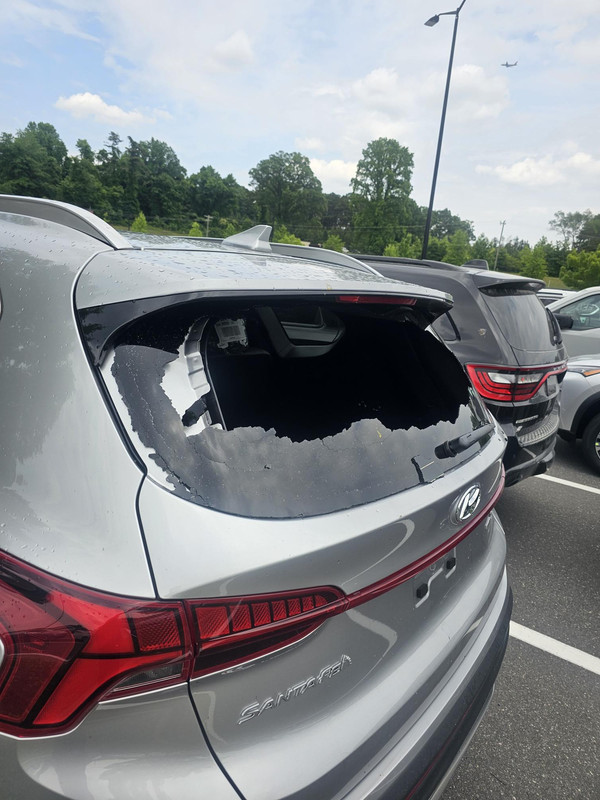
Not every auto glass issue centers on the windshield. Side windows fail due to break-ins, impact from lawn equipment, or a regulator that fails and puts strain on the glass. Rear windows often shatter from temperature changes after a small impact, or from trunk slams that send shock waves through a stressed pane.
Side window repair Charleston SC often means replacement, because tempered glass is designed to crumble into small pieces rather than hold a crack. The shop will remove the door panel, vacuum shards from the door cavity, check the regulator and guides, and install new glass. If the regulator is bent, that needs attention too, or the new pane will bind and scratch.
Rear window replacement Charleston SC comes with its own quirks. Many rear panes have embedded defroster lines and sometimes antenna elements. Once they shatter, the vehicle fills with glass beads. Expect a more involved cleanup. Ask the shop whether they warranty those defroster lines, because fresh wiring connections can be delicate.
An oddball job that shows up more often than people expect is glass leak repair Charleston SC. Sometimes the leak came with the car from the factory and only shows up after a deluge. Other times, it’s the result of a prior hasty install or a dried-out sunroof drain. A thorough leak diagnosis involves water tests, dye, and patience. The fix might be as simple as a urethane touch-up or as involved as removing and reinstalling the glass. If you smell mildew or see fogging inside the lens of a headlight, act quickly, because water finds paths you don’t want it to take.
Dealing With Wind Noise, Wiper Chatter, and Other Post-Install Issues
Even with a careful install, you might notice something off after replacement. Wind noise around 40 to 60 mph often points to a gap in trim, a misaligned molding, or an area where urethane didn’t fully wet out. Wiper chatter can follow a new windshield if the glass surface coating and wiper rubber don’t get along. Sometimes a simple alcohol wipe and a new set of blades cures it.
A faint chemical smell after replacement is normal for a day or two. If it lingers longer, ask the shop whether the vehicle sat closed up in the heat too soon after install. Venting helps. If your inspection sticker or toll tag needs reapplication, ask the shop to transfer or replace it. Many keep sticker-friendly sleeves on hand.
Good shops welcome follow-ups. A five-minute test drive with the tech can pinpoint noises that are hard to describe over the phone. Document the issue quickly, don’t wait weeks, because adhesives and trims set with time.
Picking a Shop: What I Look For
Charleston has plenty of capable glass professionals. When I’m advising friends, I focus less on brand names and more on habits. The best shops share a few traits:
- They ask about your vehicle’s options before quoting. If they don’t ask about rain sensors, cameras, heated wiper parks, or HUD, they’re guessing. They explain glass choices plainly. OEM, OEE, or aftermarket, with pros and cons, not jargon. They discuss calibration clearly and provide documentation afterward. They respect curing times. If a shop promises a 15-minute in-and-out for a full replacement, I get nervous. They stand behind their work. A real warranty on labor and leaks is worth more than a coupon.
This is the second and final list, used here because concise criteria help with decision-making. Everything else lives in narrative for clarity.
Timing, Curing, and How to Drive After the Job
After the windshield goes in, the adhesive needs to cure to a safe strength. Modern urethanes can reach safe drive-away time in as little as 30 to 90 minutes, depending on brand, temperature, and humidity. Charleston’s climate actually helps initial curing because warm, moist air accelerates some urethane systems. Even so, fast does not mean instant.
Avoid slamming doors for the first day. That sudden pressure spike can disturb the bond before it stabilizes. Skip the car wash for 24 to 48 hours, especially high-pressure washes that target the glass edges. If blue tape is on the trim, leave it until the shop says it can come off. It’s not about holding the glass in place, it’s about keeping trim aligned as adhesives set.
If your car has lane assist or adaptive cruise, pay attention the first time you drive. The system may need a short learning period, especially after dynamic calibration. If it throws a warning light or behaves oddly, call the shop right away. It may be as simple as a reduced-visibility calibration attempt during a sudden rain, or a camera bracket that needs a slight adjustment.
Paying Out of Pocket vs. Filing a Claim
Here’s the rule of thumb I share: if repair is under $150 and your deductible is higher, pay out of pocket. If replacement is close to or above your deductible, check whether filing affects your rates. Many carriers don’t surcharge for a comprehensive glass claim, but it’s not universal. If you’ve had multiple comprehensive claims in a short span, ask your agent how another might be viewed.
If you’re driving a vehicle with expensive ADAS calibration, even a moderate crack might be worth a claim. It’s not just the glass cost anymore. The calibration adds a meaningful chunk, and that makes insurance more attractive. If a shop quotes a replacement at $900 with calibration and your glass endorsement is $0 deductible, it’s an easy decision.
One caveat: if you’ve had three or more comprehensive claims in two years, even small ones, discuss with your agent whether you should pay cash this time. Carriers look at overall frequency, not just severity.
Common Myths I Still Hear Around Town
A few myths refuse to die, so let’s put them to bed.
You can ignore a small chip in warm weather. Warm weather does slow some crack growth, but humidity and daily cooling at night still cause stress. Chips collect dirt and oil that reduce the quality of later repairs. Waiting rarely helps.
Resin repairs always look perfect. Many do look excellent, especially when done quickly, but a faint mark often remains. The goal is structural stability and a clear view, not showroom perfection.
Any shop can calibrate ADAS the same way. Calibration requires equipment, space, and training. I’ve seen shops outsource calibration quietly because they don’t have the rig. That’s not a problem if they handle it transparently and provide paperwork. It is a problem if nobody verifies the camera’s alignment.
All glass is the same. Even OEE glass varies by manufacturer. If you notice excessive distortion near the edges or your rain sensor misbehaves after a replacement, the wrong spec might be the culprit.
Insurance always covers it. Only if your policy says so. Don’t assume. One quick call beats an awkward surprise.
Local Realities: Sourcing Parts and Scheduling in Charleston
Supply chains improved since the tight stretches of a few years ago, but specialty parts still take time. If your vehicle uses a windshield with a rare camera bracket or a unique acoustic laminate, expect a one to three day lead time. If a hurricane watch triggers port slowdowns, deliveries can slide, especially for European models.
Scheduling matters around traffic patterns too. If you plan to drop the car off near North Charleston and then head downtown, build in buffer. Recalibration road tests require steady speeds and clear lane markings. If a squall line rolls through, techs may pause a dynamic calibration until pavement dries and visibility returns.
I also see seasonal spikes. In spring pollen season, chip repairs skyrocket because more drivers are out on weekends and road debris increases with landscaping and construction. Mid-summer storm season brings an uptick in broken rear windows from branch drops. Late fall brings highway resurfacing and concomitant debris. If you’re aiming for Friday, call by Wednesday.
Bringing It All Together
The right combination of insurance and a competent shop turns a cracked windshield from a headache into a chore you can check off. Start by knowing your policy, especially the status of comprehensive and any glass endorsements. Give minor chips prompt attention. Decide between repair and replacement based on size, location, and safety. If a replacement is needed, confirm the correct glass, insist on proper adhesives, and treat ADAS calibration as part of the job, not an optional extra.
Charleston adds its own layer of considerations. Humidity affects curing. Sea air and bridge winds test seals and trims. Construction debris keeps everyone honest. That’s why local experience counts. A tech who knows how Lowcountry weather plays with urethane, or why a Ravenel Bridge test drive helps dynamic calibration, prevents repeat visits.
Whether you’re searching for auto glass Charleston SC experts, coordinating mobile auto glass Charleston SC at your office, asking about auto glass replacement Charleston SC for a sensor-laden SUV, or handling a simple chip repair Charleston SC on a well-loved sedan, the principles stay the same. Clarity on coverage, a measured repair plan, and respect for safety systems lead to a clean result. If something feels rushed or vague, slow it down and ask questions. Your windshield isn’t just a pane of glass. It’s part of the safety cage that protects you and the people you drive with every day.