Fleet managers wear two hats. You have to keep vehicles moving and costs controlled, all while juggling safety, compliance, and customer expectations. Glass breaks those plans more often than any other body component. A nick turns into a crack, a crack spiderwebs across an ADAS camera field, and now your driver is sidelined, your route is reshuffled, and your reputation takes a hit. That’s why partnering with a proven auto glass shop near 27429 matters. Not just a shop that can swap a windshield, but one that understands commercial uptime, data trails, billing, and the realities of dispatch.
This is a ground-level guide to how strong fleet glass programs run, what separates a reliable provider from a risky one, and how to leverage service across nearby ZIPs for coverage that scales with your operation. Whether you dispatch within 27429 only, or you run mixed routes that crisscross 27401 through 27420, the right setup keeps your drivers rolling and your equipment compliant.
What a Fleet-Capable Glass Partner Actually Looks Like
An “Auto Glass Shop near 27429” on a listing tells you proximity, not readiness. Fleet work is a different game from retail swaps in a single-bay shop. Commercial fleets need mobile capability, standardized pricing, VIN-driven parts accuracy, and systems that talk to your dispatch and accounting. The moment a driver calls in from a loading dock with a star break blocking the ADAS camera, the clock is ticking.
The best shops in the 27429 area don’t just fix glass, they remove friction. They answer fast, stage parts based on your fleet roster, and show up where the vehicle is parked, from warehouse yards to school bus depots. They understand weight classes and body styles, from cutaway vans to day cabs. Most importantly, they know how to validate that a new windshield won’t knock your Advanced Driver Assistance Systems out of calibration. Some shops calibrate in-house, others partner with local calibration centers, but what matters is that they own the responsibility, not you.
In practice, a fleet-savvy shop will keep your vehicles listed by VIN, Body Code, and options that affect glass: rain sensor, solar tint, humidity sensor, acoustic interlayer, heads-up display, lane camera bracket. If they are guessing on parts using one-size-fits-all estimates, you will lose days while they reorder the correct glass.
Quick math: downtime, risk, and cost
The cost of a windshield isn’t what kills your budget. Downtime does. A local last-mile fleet in the 27429 corridor shared that a morning route truck generates 600 to 1,000 dollars in gross revenue over four to eight hours. One missed shift after a failed inspection can erase the savings of choosing a cheaper, slower glass vendor. Not to mention the risk of operating with impaired visibility or an inactive forward camera. If a driver is cited or, worse, involved in a collision while your glass is out of spec, no one cares what you saved on parts.
This is why a programmatic approach beats ad hoc repairs. Set a service level, commit to a response window, align on ADAS Greensboro auto glass repair outcomes, and let the shop stock for your mix. The predictable cadence reduces emergency calls and keeps vehicles compliant before they derail your day.
The nuts and bolts: mobile service that works in the real world
Mobile capability is the backbone. Yard service starts early and ends late, and it happens in rain, sun, and aggravating winds that send urethane strings flying. A prepared tech carries wind blocks, canopy options, heaters or IR lamps for cold-cure control, and high-modulus urethane that meets Federal Motor Vehicle Safety Standards. It’s not about gadgets, it’s about control. Cure time matters. A windshield that’s safe to drive in 30 to 60 minutes gets a route back on the road. If a shop uses low-grade adhesives with inconsistent safe-drive times, your fleet becomes their proving ground.
Traffic patterns around 27429 make agility necessary. Deliveries snake across neighboring ZIP codes like 27425, 27427, and back toward 27419 or 27420. A shop that covers this web effectively reduces re-dispatch. They’ll stage a second truck closer to 27405 or 27407 if your driver’s last stop changed. When they say they cover the region, press for the specifics: how many mobile units, average response time by ZIP, and whether they carry glass for your top five SKUs in-van during peak months.
ADAS recalibration: the line you can’t cross
Every late-model van, pickup, and bus that uses lane keep, auto high beam, forward collision warning, or traffic sign recognition relies on the exact alignment of camera and windshield. Replace the glass, recalibrate the system. There’s no shortcut. Some vehicles support static calibration with a target board in a controlled environment. Others require dynamic calibration on specific road conditions at defined speeds. The shop has to know which applies to your vehicle.
If you’re running cargo vans with rain sensors and forward cameras in 27429, you’ll see the trend: camera brackets vary across trims and model years, and whether the replacement glass is OE, OEM, or high-quality aftermarket affects camera angle tolerances. The better shops document pre-scan, post-replacement alignment, and calibration success data. They should give you a clear report that your safety systems are operational. That record is more than peace of mind, it’s paper you’ll want if a claim arises. When exploring options near 27429 or neighboring zones like 27409 and 27410, confirm that calibration is included in the quote and scheduled as part of the same appointment. Splitting the work adds days and triggers avoidable route shuffles.
Safety isn’t a slogan, it’s a process
Glass is a structural component. That windshield isn’t a weather shield, it’s a load path in a rollover and a barrier that keeps airbags deploying into a solid surface. Improper urethane choice, contaminated pinch welds, or rushed prep jeopardize occupants in a crash. When I audit shops, I look for consistent lot tracking on adhesive tubes, expiration dates clearly checked, and primers used according to the substrate, whether it’s fresh paint, bare metal, or glass. A tech who doesn’t ask about rust on the pinch weld around 27429 winters hasn’t seen enough corroded cowls. Rust needs to be addressed, otherwise bond strength is compromised.
Temperature swings across the region can run from subfreezing dawns to humid afternoons. Adhesive chemistry responds to that. A high-solids urethane with a known safe-drive time range for those conditions isn’t optional. Ask for the brand and cure specs. Good shops will tell you without dancing around the question.
Coverage across the Greensboro cluster of ZIPs
Fleet work loves geometry and logistics. If your drivers weave between 27429 and nearby ZIP codes, consolidate your glass needs under one program. That means one point of contact and standardized ordering, whether the call comes from 27401 or 27455. The names may look like a keyword salad, but there’s a real coverage advantage here:
- If you run routes through 27401 Auto Glass and 27401 Windshield Replacement needs, the same team should deliver consistent work as your Auto Glass Shop near 27401, with the ability to provide an auto glass quote 27401 without delay. That repeats across 27402 Auto Glass and 27402 Windshield Replacement, Auto Glass Shop near 27402, and auto glass quote 27402, and so on through 27403, 27404, 27405, 27406, 27407, 27408, 27409, 27410, and 27411. You get one standard for quality, billing, and ADAS.
Once the route map expands, you’ll want matching capability for 27412 Auto Glass through 27413, 27415, and 27416, where an Auto Glass Shop near 27416 can still hit your promised SLA. The same logic applies across 27417, 27419, 27420, and out to 27425 and 27427. For fleets stationed or dispatching from 27429 itself, having a shop that quotes fast and shows up on time for 27429 Auto Glass and 27429 Windshield Replacement is the backbone. When a driver detours into 27435 or 27438, or swings by 27455 for a late drop, coverage should follow. Larger organizations sometimes need support even in 27495, 27497, 27498, and 27499. Auto glass quote 27429 and the matching quotes in these nearby areas should reflect your master pricing, not retail walk-up numbers.
That level of geographic cohesion helps your coordinators give drivers clear instructions: one number for glass, one protocol. No scrambling to find “who covers 27410” while a truck idles at a dock.
OEM, OEE, aftermarket: which glass should you choose
There’s no single right answer. I’ve seen fleets insist on OE windshields on ADAS-heavy vehicles because the camera bracket spec and acoustic layer are guaranteed matches. I’ve also seen high-quality OEE (original equipment equivalent) glass perform exactly as needed at a 20 to 30 percent savings. The decision hinges on three factors: how sensitive the ADAS system is to optical distortion and bracket geometry, how often you replace that piece of glass, and the vehicle’s duty cycle.
For example, a step van that spends its life at 25 to 35 mph on local routes with no lane-assist might be a fine candidate for quality aftermarket. A police interceptor or school activity bus with forward collision systems deserves the OE or top-tier OEE that meets every camera spec and acoustic requirement. When a shop near 27429 explains the difference and supports it with calibration success rates, they’re a partner. When they default to the cheapest sheet they can source, expect repeat visits and calibration faults.
The right way to price fleet glass
Price transparency starts with a matrix that includes glass part, moldings, clips, sensor kits, primer, urethane, calibration, disposal, and mobile service. If your “auto glass quote 27429” leaves out calibration or moldings that are always required for your model, it isn’t a real quote. Over a year, that game can inflate your spend by double-digit percentages because of add-on charges on the day of service. Lock the details down up front. For fleets with vehicles scattered across 27401 to 27420, the same matrix should apply. Whether it’s an auto glass quote 27403 or an auto glass quote 27407, your rate card should hold.
Good shops will also tier pricing by volume. If you do more than a certain number of replacements per month, or if you bundle repairs and replacements, rates should reflect that. Keep in mind that rock chip repairs deliver wins. Every chip that stays a repair avoids a replacement and a calibration. Over a year, that alone can reduce glass spend by 15 to 25 percent.
Rock chip repair as a fleet discipline
Drivers rarely report chips promptly. They plan to, then forget, and the next cold snap or pothole transforms a dime-sized pit into a run that demands a new windshield. You can change that with simple habits and a little incentive. Hand out chip patches and a quick SOP: mark, cover, report. Chips repaired within a few days have a much higher save rate. That means fewer 6 a.m. emergency calls to your Auto Glass Shop near 27429 and more on-time dispatches.
Ask your shop to train your supervisors on what’s repairable: chips smaller than a quarter, not in the driver’s direct line of sight if your company’s policy forbids visible imperfections, and not at the very edge where structural integrity is compromised. Repairs take 20 to 30 minutes and can be done in the yard during pre-trip inspections. In ZIPs like 27404, 27406, or 27408 where your vans park overnight, a mobile tech can work through a dozen repairs in a morning. That is clean money saved and compliance maintained.
Scheduling that respects dispatch realities
The worst kind of vendor is the one who needs your trucks to sit all day. Fleet glass service should work around your rhythm: early yard visits before keys go out, mid-route meets at hub stops, and late-afternoon catches when drivers return. A seasoned team near 27429 will use 30 to 60 minute arrival windows, staggered to mirror your lot traffic. If you run a mixed fleet with heavy equipment that returns later, they should split crews.
Seasonality matters. In spring hail season, repair volumes spike. Forward-book calibration slots so you don’t end up with a windshield installed on a Tuesday and a calibration on Friday. That limbo costs you money and exposes you to risk if a driver forgets that lane keep is offline. When you push into neighborhoods like 27409 and 27410 with denser traffic, schedule dynamic calibrations during quieter windows to reduce road time.
Proof that the job was done right
Even if you trust your shop, ask for the record. A solid fleet report includes: vehicle VIN, mileage at service, exact glass part number, molding/clips used, adhesive lot numbers with expiration dates, pre-scan and post-scan codes, ADAS calibration type and result, safe drive time, and photos of the installed glass. If a claim arises six months later in 27429 or 27413, you do not want to hunt down a tech who has moved on. You want a PDF with everything in it, tagged to your asset ID.
Well-run operations will upload this data into your fleet maintenance system or share it via API. It’s not glamorous, but it’s why your auditors nod and move on.
Insurance, billing, and the reality of claims
Insurance can smooth or snarl glass workflows. If your carriers prefer direct billing, the shop should handle that, using the right claim codes and making sure your deductible rules are applied uniformly. Some fleets bypass insurance for anything under a set threshold, which speeds up repairs and avoids premium ripple effects. Your provider should create two lanes: insurance-backed replacements with the right documentation, and fast-pay internal invoices that clear within your agreed terms.
When you need an auto glass quote 27405, 27406, or 27407 in a hurry, the quoting system should spit out a firm number, not a vague estimate. The same responsiveness should apply to 27409 and 27410. The pattern holds through the region, from 27411 Auto Glass through 27420 Auto Glass. Consistency is king.
Mixed fleets: vans, pickups, cabovers, and specialty units
If your stable includes Transit, Sprinter, and ProMaster vans along with half-tons and a few box trucks, your glass mix gets complicated. Sprinters in particular carry an array of options that shift glass part numbers: rain sensors, heated zones, acoustic layers, and driver assistance packages. A shop that handles 27429 Windshield Replacement regularly knows this drill and will confirm options by VIN or a quick photo set before rolling. No one wants a blue tape special parked in 27429 overnight because a bracket didn’t match.
School activity buses and shuttles add another layer. Many use split panes or bonded sidelites that require different adhesives and setting tools. If you run routes through 27412, 27415, or 27417 with passenger transport, confirm that your shop has documented experience with these platforms and the right safety SOPs.
Field story: how a small habit saved a big headache
One route manager near 27429 had a growing problem: three windshields a week turning into five or six by Friday after temperature swings. Drivers were reporting chips late, if at all. We added two changes. First, a quick reporting text line with an auto response and a link to drop a photo. Second, a stash of clear chip patches in every glove box. Reporting jumped by 60 percent. Repairs rose sharply, replacements dropped by about a third, and weekly ADAS calibrations stabilized at a predictable level. The shop folded those repairs into first-call visits across 27429 and neighboring 27425 and 27427, often hitting multiple units in one stop. Costs fell, dispatch stress eased.
That’s the essence of smart fleet glass management. Simple steps, done consistently, produce leverage.
Questions to put to any Auto Glass Shop near 27429
Before you greenlight a provider, get straight answers. These aren’t trick questions. They separate shops that handle fleets daily from those that dabble.
- How many mobile units can you dedicate to commercial work across 27429 and the surrounding ZIPs, and what is your average response time by area? Do you perform both static and dynamic ADAS recalibrations in-house, and will you share pass/fail documentation per VIN? What adhesive systems do you use, what are the safe drive times by temperature, and how do you track lot numbers and expiration? How do you verify part accuracy before dispatch for vehicles with rain sensors, HUD, or acoustic interlayers, and how do you handle exceptions? Can you standardize pricing for auto glass quote 27401 through auto glass quote 27420 and beyond, including calibration, moldings, and mobile service, with no day-of add-ons?
What coverage looks like when it’s done right
Imagine your dispatch board on a Tuesday: one chip repair cluster in 27403 and 27404, a replacement in 27406 with dynamic calibration, a passenger window break in 27408, and a run through 27409 and 27410 that needs a windshield swap before noon. Your shop takes the call, confirms parts by VIN, quotes at your agreed fleet rate whether it’s tied to 27403 Auto Glass, 27406 Windshield Replacement, or Auto Glass Shop near 27409, and schedules a rolling sequence that hits each stop in order. A second unit stages near 27411 and 27412 in case of emergencies. Documentation arrives by the end of day. No guesswork. No shade-tree fixes.
Extend that routine to 27413, 27415, 27416, 27417, and 27419, and you’ve built regional resilience. If a driver ends up in 27420, 27425, 27427, or back to 27429 for an unscheduled issue, a mobile unit can pivot. For businesses with wider footprints that touch 27435, 27438, 27455, or even the professional enclaves around 27495, 27497, 27498, and 27499, the protocol holds. Same number, same SLA, same reporting.
Practical care tips drivers actually follow
You can write a binder of glass rules, or you can give drivers a few moves that stick. Keep it realistic. I prefer three reminders at onboarding and once per quarter:
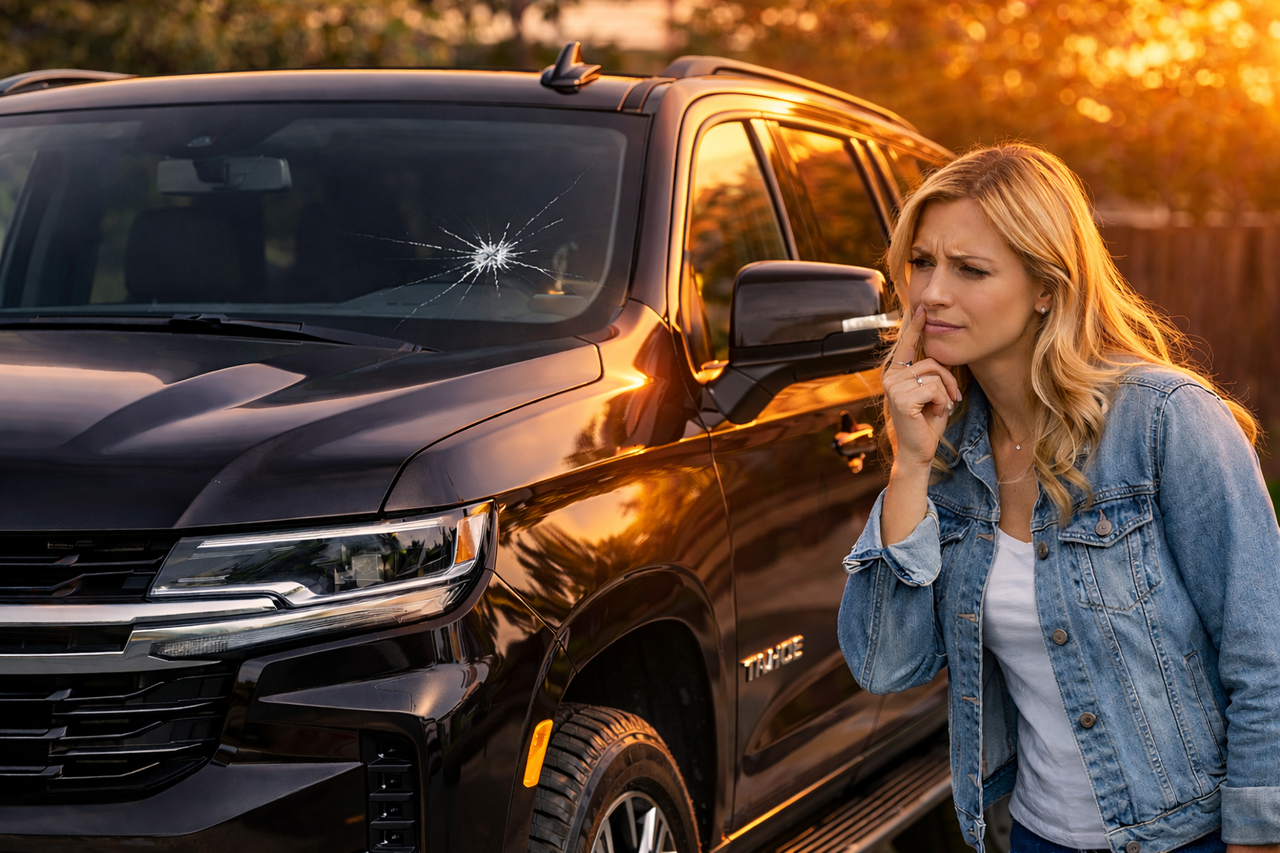
- Treat chips like a flat tire waiting to happen. Cover with the clear patch, text the photo, and log it before the next stop. Don’t slam doors right after a cold morning start if a chip exists. Pressure spikes turn hairline cracks into replacements. Keep the camera area clean but don’t pry at the sensor housing. Report any warning lights immediately after a windshield swap.
These habits cost nothing and pay dividends. A fleet near 27429 that embraced them cut unplanned replacements by almost 20 percent over six months.
The truth about “we can be there today”
Speed matters, but predictability beats showmanship. If a shop promises the moon, verify the pattern. Ask for their last month’s average time-to-arrival in 27429 and the adjacent ZIPs. Track your own data for a few weeks. Good providers will match or beat their promises. The best will tell you when they can’t make a window and offer a practical alternative. Reputation in the 27429 corridor spreads fast. The shops that last do it with consistency, not bluster.
When to retire a windshield early
Sometimes waiting for a crack to grow isn’t worth the risk. If a line crosses the driver’s primary field of view, the visual distortion can fatigue the eyes and stretch reaction times. If the crack reaches the edge, structural integrity is compromised, especially on vehicles where the windshield contributes heavily to roof crush resistance. For ADAS-equipped units, any distortion in the camera zone is a non-starter. The small savings from squeezing a few more weeks out of a failing windshield evaporate if a calibration later fails or a driver struggles on a night route. Make the call early and get the unit back into spec.
Why local know-how beats a distant call center
Large national networks have reach and negotiating power. They also have distance. A sharp local operation near 27429 that knows the roads, the yards, the timing of your dock doors, and the quirks of your vehicle mix often outperforms sheer scale. They have the tech who remembers that your 2019 vans need the acoustic layer for cabin noise complaints, or that your winter adhesives should shift by mid-November. They remember that Friday afternoon in 27410 isn’t a good time for dynamic calibrations. That nuance prevents small problems from turning into expensive ones.
Getting started without bogging down
Here’s a straightforward way to stand up a program in two weeks without a committee meeting for every step. Share your fleet roster with VIN, trim, and options that affect glass. Approve a baseline parts matrix: which models get OE, which get top-tier OEE. Lock a price sheet that includes calibration. Set service hours and yard access rules. Push a one-page SOP to drivers on chip reporting and post-install ADAS checks. Schedule a pilot week with a few units across 27429, plus a couple wild cards in 27405 or 27407 to test range. Review the documentation quality. If it’s tight, roll out across the rest of your ZIP map.
Once the program is live, you should be able to request an auto glass quote 27429 or for any nearby area like auto glass quote 27401, 27402, or 27403 with a short message and a VIN. The response should mirror your matrix. No surprises.
The payoff
A disciplined glass program won’t make headlines, but it will quietly improve on-time departures, reduce driver complaints, keep ADAS honest, and tighten your cost curve. The difference between a random auto glass replacement and a well-run fleet partnership near 27429 shows up in your KPIs within a quarter. You’ll see fewer missed shifts, steadier spend, fewer calibration callbacks, and better compliance documentation.
When you look for an Auto Glass Shop near 27429, evaluate them the way your customers evaluate you: can they do the right work, at the right time, without drama. If they can match that standard across your operating area from 27401 through 27420, and even out to 27435, 27438, and 27455, you’ve found a partner worth keeping.