Charleston drivers know the soundtrack of commuting here: the thump of a bridge seam on the Ravenel, the hiss of marsh wind, and occasionally the sharp tick of a pebble flicked up by a dump truck on I‑26. That last one can leave a pimple of glass right in your line of sight. Ignore it and that tiny bruise grows a spider web. Address it quickly and you often stop the spread, save the windshield, and keep your Advanced Driver Assistance Systems happy. After years working around auto glass in the Lowcountry, I’ve seen the difference that the first 24 to 72 hours can make.
What follows is a practical guide to keeping small damage small, when to consider windshield repair Charleston SC locals rely on, how coastal weather accelerates cracks, and how modern gear like cameras and sensors changes the repair equation. Whether you need mobile service curbside downtown or you want to understand why that chip keeps blooming when the temperature swings, you’ll find useful, grounded advice here.
Why small chips become big problems
A windshield is laminated glass, two sheets fused to a plastic interlayer. That sandwich is strong, but once a point gets compromised, physics takes over. A chip is a stress concentrator. Every heat cycle, every door slam, every pothole sends micro stress straight into that weak point. Charleston throws extra fuel on the fire with salt air, humidity, and sudden sun bursts after summer storms. You park under a live oak on a cool morning, then roll into an afternoon of direct sun. The glass expands faster on the sunlit side than the shaded edges and the chip concentrates the strain. Tiny fissures propagate and the crack marches.
I watched a contractor’s F‑150 go from a pinhead chip to a 10 inch runner in one day on Folly Road. He had parked with the nose in the sun while grabbing lunch. I measured the glass surface at over 120 degrees on the outside while the cab interior stayed cooler from AC. Thermal gradient like that is a crack accelerator.
One more factor that catches people: vibration. Rough bridges and highway joints impose cyclic stress. If you ride across the Don Holt every day with a chip unsealed, expect it to grow. That’s not fear mongering, just reality from hundreds of jobs.
The first hour after impact
If you do one thing right after the tick of that rock, keep the chip clean and dry. Moisture wicks into the break, mixes with dust, and makes resin bonding harder. Oils from car washes and road grime do the same. I keep a small packet of clear, UV‑resistant chip tape in my glove box, and I recommend customers do too. Lacking that, a piece of clean, clear packing tape works in a pinch. The emphasis is on clear. Opaque tape traps heat and can distort the glass if left on for days.
The other smart move is to ease up on temperature swings. Don’t blast the defroster across a chilled windshield, and don’t shock a hot windshield with max AC vented upward. When Charleston thunderstorms roll through and drop the temperature 15 degrees in ten minutes, cracks love to run. Try to park in shade and let the glass equalize.
Understanding chip types and what is repairable
Not every chip is created equal. Some are very fixable, others are warning signs that replacement is the right call. Naming helps you understand what you’re looking at.
A bull’s‑eye is a circular cone‑shaped impact, often with a dark center. These usually fill well and become almost invisible. Stars have lines radiating out from a central impact, like a tiny asterisk. They are repairable when the legs are short and the center isn’t crushed. Combination breaks blend the two, a central crush with one or more legs. Long cracks, anything more than a few inches, are a different animal and don’t respond to standard chip resin like small breaks do.
Distance from the edge is critical. If the chip sits within an inch or two of the glass edge, stresses are higher, and repairs are more likely to fail. Anything squarely in the driver’s critical view, roughly the steering wheel to top of dash area, needs careful judgment. Even a perfect repair might leave a minor blemish that refracts light. I’ll repair outside the critical zone happily. Inside it, I weigh safety and visibility and often steer a customer toward windshield repair Charleston SC drivers trust only if I can stand behind the visual result. If the blemish will distract at night, you’re safer with replacement.
Why timing matters more than tools
I’ve lost count of how many times a customer said they planned to get it fixed next week, then a cold snap or hot day pushed an 8 inch crack across the glass. Here’s the curve I’ve seen: a chip that gets sealed within 24 hours has a high likelihood of a permanent stop and a clean look. By day three, moisture and dirt get in and the legibility of the break worsens. After a week, success rates drop. Adhesion is a chemistry story. Resin bonds best to clean, dry glass and to the plastic interlayer. If the chip has water or oils, the resin’s capillary action stalls, and you see milky areas or tiny bubbles that reflect sunlight.
This is why mobile auto glass Charleston SC services are popular. If someone can meet you in the office lot in West Ashley or your driveway on James Island and seal it today, you beat the clock. Mobile setups vary, but a decent technician carries bridge injectors, thin and medium viscosity resins, UV lamps, moisture evacuation tools, and a dry nitrogen source or desiccant for stubborn chips. If your chip has been sitting through a rainstorm, a tech who can dry the break properly will save the day.
The repair process, minus the marketing gloss
Professional chip repair is straightforward but benefits from experience. We clean the area lightly, set a bridge to center the injector over the impact, then cycle vacuum and pressure to draw resin into the fissures. We use UV light to cure the resin in stages, flexing the glass gently if needed to coax resin into micro legs. Once cured, we shave the excess, polish the pit, and add a small pit resin dome that protects the surface.
What separates a good job from a mediocre one? Resin choice matters. Too thin and it leaks out and can yellow faster under Charleston sun. Too thick and it sits on top without penetrating the legs. Techs who carry multiple viscosities can adapt to the break type. Curing in layers with proper masking avoids haze around the pit. Patience helps. Some chips take ten minutes. Others ask for forty and a gentle touch.
The point of repair is not cosmetic perfection, though good work often looks great. The primary goal is to restore structural integrity, stop crack propagation, and keep debris and water out. Expect a repaired chip to look 70 to 95 percent better in most cases, depending on age and contamination. If someone promises invisible every time, they’re selling a fairy tale.
When to stop thinking repair and plan for replacement
Here’s the short list I use when I advise replacement. A crack longer than roughly six inches is out of chip territory. A break with crushed glass flaking away, especially with missing chunks, won’t take resin predictably. Damage squarely in the driver’s primary view that will cause distortion deserves a replacement. Damage that extends to the glass edge or wraps around a curve increases the risk of sudden propagation. Multiple chips clustered together in the same zone can distort and weaken that area more than a single repair would.
Modern vehicles layer on another consideration: sensors and cameras. If your windshield houses a forward camera for lane keeping or adaptive cruise, or a rain and light sensor glued to the glass, a windshield replacement often triggers adas calibration Charleston SC shops provide. Skipping calibration is not an option. The camera’s alignment to the road and the car’s centerline must be verified and adjusted, sometimes with static targets and sometimes with a dynamic drive cycle on specific roads. Shops with the right equipment and training make this part seamless, but it adds time and cost. Budget for that and insist on documentation that calibration passed.
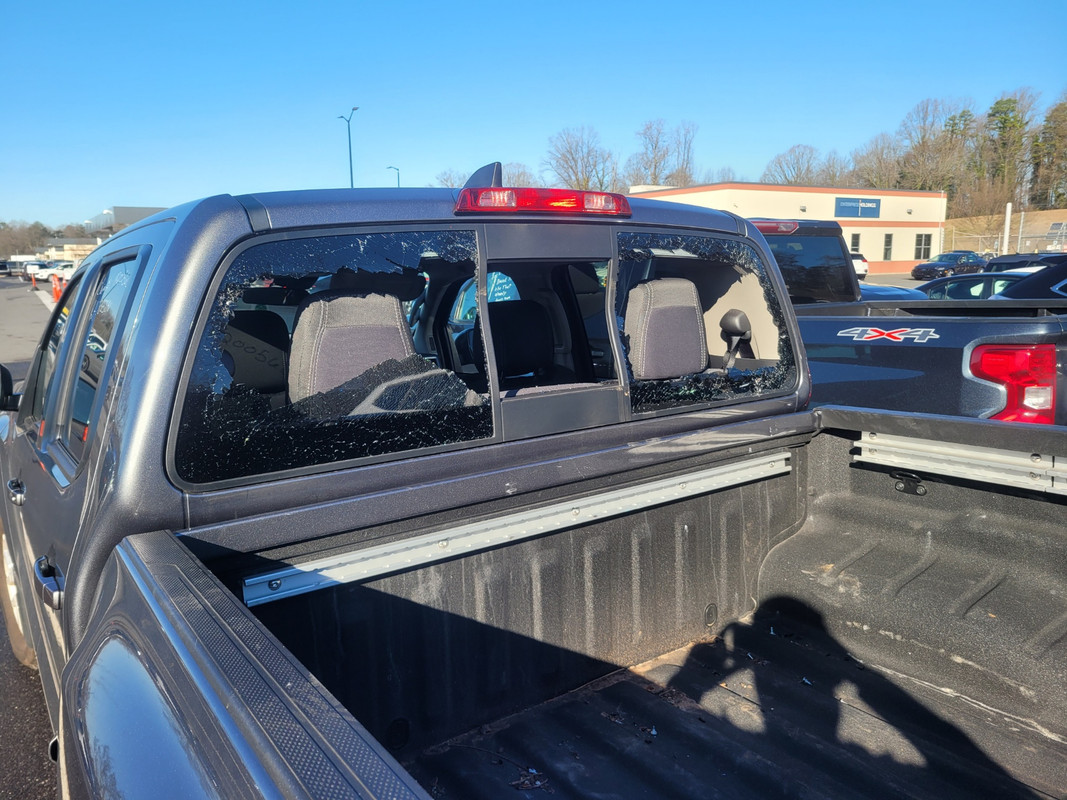
If we’re talking about rear window replacement Charleston SC services, keep in mind those windows are tempered glass that shatters into cubes, not laminated like a windshield. You’ll know when it’s gone. Rear defroster lines and antennas are embedded in that glass, so replacement should match your vehicle’s options. Side window repair Charleston SC work tends to focus on regulators and channels because side glass is also tempered. Chips on side glass often turn into sudden shatters, so we generally skip repair and replace.
The Charleston climate factor you can’t ignore
Salt air is sneaky. It leaves micro crystals on the glass that attract moisture and grime. Combine that with oak pollen season and your windshield becomes a sticky film collector. If a chip sits open in that mix, contamination is a given. I suggest rinsing the windshield with clean water before applying temporary tape, just enough to float off grit, then pat dry. Avoid rubbing hard over the chip itself, which can grind debris into the pit.
Heat and humidity also challenge the adhesives used to set windscreens. If you move from chip repair to full auto glass replacement Charleston SC style, ask the shop about their urethane. Good urethanes are rated for faster safe drive away times and maintain strength in high humidity and heat. The installer should prep the pinch weld, treat rust if present, and use fresh, properly stored tubes. I’ve seen jobs fail early because someone used urethane past its shelf life or skipped primer on bare metal.
Rain leaks, squeaks, and how to solve them
Every spring I see a handful of vehicles that have had glass set elsewhere side window repair charleston sc and now show up with drip lines after storms or a high pitched whistle over 45 mph. That’s a glass seal problem, not a chip problem, but you should know the fix. Proper glass leak repair Charleston SC technicians perform starts with diagnostic smoke, water testing with controlled flow, and inspection of moldings and cowl clips. The solution might be as simple as re‑setting a corner with additional urethane, or as involved as removing and reinstalling the glass with new trim. Don’t rely on silicone squeezed along an edge. It looks ugly and rarely seals for long.
If a chip repair was done near the top edge and you now notice a faint whistle, the chip itself didn’t cause it. Whistles are aero issues from trim gaps. A good shop will stand behind their work and address trim if they touched it.
Insurance basics without the headache
Many comprehensive policies in South Carolina cover chip repair at little or no cost, and some waive deductible for repair because it saves them the cost of replacement. If you need help navigating insurance auto glass Charleston SC claims, a shop that handles billing can be worth its weight. They verify coverage, log the claim, and bill the carrier. You keep control by asking two things up front. First, confirm whether your policy directs you to a network or allows you to choose any licensed shop. South Carolina generally supports your right to choose, though carriers may recommend partners. Second, verify whether ADAS calibration is included when a windshield is replaced. You want that in writing.
Be cautious with multiple small claims in a short time. While glass claims usually fall under comprehensive and may not raise rates, repeated claims can draw attention. One or two repairs a year is ordinary. Five starts a conversation.
DIY kits: honest pros and cons
You can buy a chip repair kit at an auto parts store for the price of lunch. They come with a bridge, resin, and a UV curing sheet. If you have a small bull’s‑eye, you keep the chip dry, and you follow instructions, you can get a functional seal. I’ve seen neat results and proud owners. I’ve also seen overzealous squeezing that delaminated the interlayer and made a spider out of a flyspeck. The risk is higher on stars and combination breaks that need cycles of vacuum and pressure and sometimes a drill to open a tight impact point. Drilling without the right bit and depth stop is how people scar the laminate.
If you’re leaving for a road trip tomorrow and can’t book mobile auto glass Charleston SC service, a well executed DIY can be a lifeline. My rule of thumb: if legs exceed a half inch, if the impact is crushed or has glass missing, or if it’s near the edge, call a pro. Also, UV curing under Charleston sun works fast. That’s helpful, but it gives you less working time. Keep the car in shade while you inject. Move into sun to cure.
What a trustworthy shop looks like
You learn to read a shop after a few visits. The good ones explain your options clearly and don’t oversell. If they can repair, they say so, even if replacement would pay more. If they replace, they walk you through glass options, OEM versus quality aftermarket, and whether your vehicle’s features require a specific part. They discuss ADAS calibration openly and treat it as standard, not optional. They protect your paint and interior with covers and tape the body lines, then clean up every speck of glass and urethane. If you’re dealing with auto glass Charleston SC providers, ask how they train techs and what certifications they hold. AGRSS registration and I‑CAR training are good signals. A solid warranty that covers both workmanship and leaks is standard.
Mobile service can be excellent. Look for vans equipped like rolling shops, with power inverters, proper stands, and climate control for resin and urethane. On a rainy day, a mobile tech should reschedule or have a canopy, because moisture ruins adhesion and repairs. If someone wants to perform a windshield replacement in a downpour under a small umbrella, that’s your cue to wave off.
Preventive habits that actually help
The simplest habit change is following distance. Charleston roads shed gravel near construction zones and on the shoulder after storms. Give yourself space behind uncovered loads and dump trucks, especially on the Crosstown and I‑26. Another small move is thoughtful venting. If you get in a hot car, crack the windows or run the AC with vents low for a minute before blasting cold air against a hot windshield. You reduce thermal shock on existing chips. Regularly clean glass with a neutral, ammonia free cleaner and fresh microfiber. This keeps contaminants from setting into minor defects and makes it easier to spot new damage early.
Parking strategy matters. Shade helps, as does avoiding spots under brittle branches that drop debris. Oak pollen season demands more frequent rinses. A simple hose down at home after a yellow day helps keep resin from curing unevenly if you do get a chip and need a repair.
A note on visibility and safety
A chip right in your line of sight does more than annoy. At night, oncoming headlights catch that micro crater and send a starburst into your pupil. Your eyes strain, you blink more, and your reaction times degrade. I’ve had folks tell me they stopped driving at night because of one chip. Don’t adapt around it. Address it. If repair is likely to leave any distortion in that critical zone, replacement may be the safer choice, even if the break is small. That’s a judgment call you make with your tech after an honest look.
If it spreads anyway
Sometimes you do everything right, and the chip still grows. Old glass can be brittle, or a sharp temperature change hits the edge just so. Don’t beat yourself up. If you’ve kept the chip clean and tried repair promptly, you’ve given yourself the best shot. When the crack runs, measure it. If it’s small and sits outside the driver’s primary view, you can limp along safely for a short period while you schedule replacement. Use caution with door slams and speed bumps. If the crack reaches the edge or curves upward, prioritize replacement soon. The windshield contributes to airbag deployment geometry and roof strength in many vehicles. A compromised windshield isn’t just an aesthetic issue.
Pulling it together for Charleston drivers
Living and driving here brings unique challenges for glass. Salt, sun, sudden rain, and a steady diet of construction all raise the odds of chips and cracks. The best results come from quick action, calm handling of temperature changes, and choosing the right help. You have strong options, from chip repair Charleston SC specialists who can meet you where you are, to full service shops that handle auto glass replacement Charleston SC with proper primers and urethane, along with the adas calibration Charleston SC vehicles require. Keep the chip dry, cover it, avoid thermal swings, and get it repaired within a day or two whenever possible. When replacement is called for, ask about calibration, part quality, leak testing, and warranty. If you find yourself juggling insurance auto glass Charleston SC claims, lean on a shop that speaks the carrier’s language and puts your safety ahead of fast talk.
I’ve seen thousand dollar windshields saved by a fifteen minute repair because someone covered a chip and called the same day. I’ve also watched a hairline crack run across the driver’s view just from a parking lot turn on a summer afternoon. Small choices matter. Treat your glass like a safety component, not just a window, and it will repay you with clear sightlines and quiet rides over the Cooper and back.